When winter settles into the Lehigh Valley, your heating system becomes the heart of your home. At Burkholder’s Heating & Air Conditioning, we’ve spent decades keeping local families safe, warm, and comfortable. Along the way, we’ve seen the same preventable issues pop up year after year—many of them turning into service calls that could have been avoided with a few simple habits.
Here are some practical winter heating tips to help you save money on energy and avoid unnecessary repairs, while keeping your home safe and comfortable all season long.
1. Oil Heat Systems: Easy on the Reset Button
If you heat with oil, your burner has a reset button on the primary control. It’s there for safety—but it’s often misunderstood.- Only press the reset button once.
- Repeatedly pushing it can feed extra oil into the burner. When it finally lights, that extra fuel can ignite all at once and cause a puff-back—a small explosion that blows soot throughout your home, coating walls, ceilings, and furniture.
- If your burner doesn’t start or quickly shuts down again after one reset, it’s time to call for service, not keep pushing the button.
2. Protect Your Outdoor Heat Pump From Snow & Ice
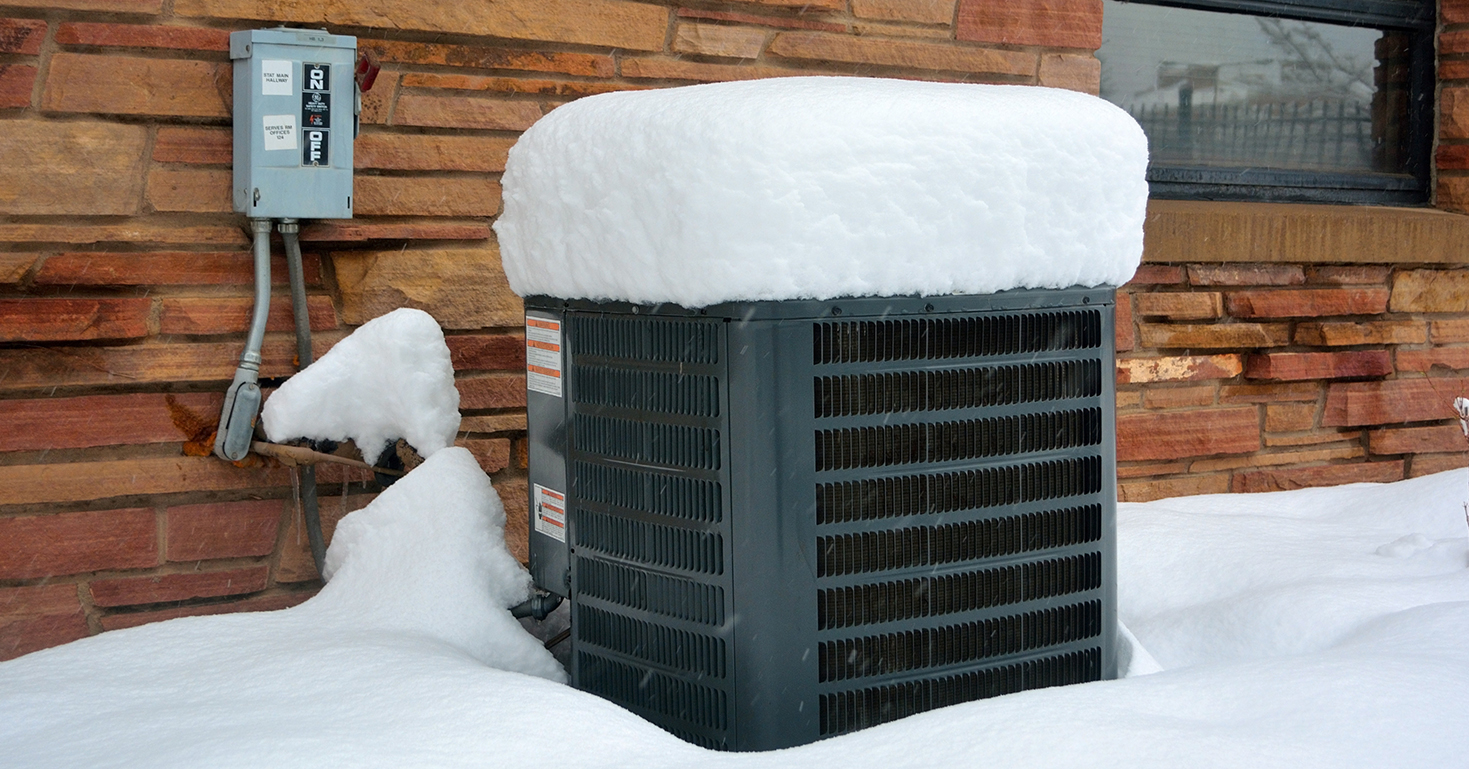
If you have a heat pump, it’s designed to operate outdoors year-round, even in winter. But snow and ice buildup can create problems if the unit can’t drain properly. To protect your heat pump:- Keep the base and area around the unit clear of snow, ice, leaves, and debris.
- Make sure water can drain away freely so it doesn’t pool and freeze around the bottom of the unit.
- Avoid stacking snow, mulch, or stored items around the sides of the heat pump.
- Never chip ice off the coils with sharp tools—that can cause serious damage.
3. Keep Exhaust & Fresh Air Vents Clear After Snow
Homes with gas, oil, or propane appliances often have PVC exhaust and intake pipes that run through an exterior wall. In heavy snow or drifting conditions, these vents can become blocked. Blocked vents can:- Cause your furnace or boiler to shut down for safety.
- Reduce combustion air, affecting efficiency and performance.
- In worst cases, create a dangerous situation if combustion gases can’t escape properly.
- Locate your furnace, boiler, and water heater vents.
- Make sure both exhaust and intake pipes are clear and open.
- Keep the area around them free of snow, ice, shrubs, and debris.
4. Carbon Monoxide & Smoke Protection Is Not Optional
If your home has any fossil fuel appliances—oil, gas, or propane—functioning carbon monoxide (CO) detectors and smoke alarms are essential. We strongly recommend:- CO detectors on every level of your home, especially near sleeping areas.
- Smoke alarms on every level and inside each bedroom or sleeping area.
- Testing devices monthly during the heating season.
- Replacing batteries annually or as needed. Replacing the entire alarm if it is past the manufacturer’s recommended life (usually 7–10 years).
5. Annual Heat Pump Maintenance Pays Off
Heat pumps are efficient, but like any piece of equipment, they need regular maintenance to run their best. We recommend that heat pumps be serviced annually. During a tune-up, a technician will:- Check refrigerant levels and electrical components
- Inspect coils and clean as needed
- Confirm proper defrost operation
- Verify thermostat and control operation
- Most heat pump thermostats are designed so that when the indoor temperature drops 2°F below your set point, the thermostat automatically calls for auxiliary heat.
- This helps the home recover when it’s very cold or when the heat pump alone can’t keep up.
6. Simple Everyday Habits to Save on Energy
You don’t have to overhaul your home to see real savings. These simple steps can make a noticeable difference in comfort and cost:- Change your filters regularly. Replace or clean filters every 1–3 months, or as recommended by your equipment manufacturer. A clean filter improves airflow and efficiency and reduces wear on your system.
- Use smart thermostat settings. Even a 1–2 degree adjustment can lower your energy use. Avoid large swings in temperature; steady, modest settings are often more efficient than constant drastic setbacks and rebounds.
- Seal drafts. Check around windows, doors, attic hatches, and outlets on exterior walls. Weatherstripping and simple caulking can cut down on cold drafts and make your home feel warmer without raising the thermostat.
- Keep vents and registers open. Closing too many vents can increase system pressure, reduce efficiency, and even shorten the life of your equipment. Your system is designed for balanced airflow throughout the house.
- Use ceiling fans wisely. In winter, set them to run on low, in reverse, to gently push warm air down from the ceiling without creating a draft.
- Be cautious with space heaters. They use a lot of electricity and can be a fire hazard if not used correctly. If you find yourself relying on space heaters, it may be time to evaluate your main system or your home’s insulation.
7. What’s Normal – Before You Call For Service
Not every change in sound or operation means your system is failing. Knowing what’s normal can save you a service call:- Heat pump defrost mode: It’s normal for a heat pump to periodically stop the outdoor fan and go into a defrost cycle. You may see steam rising from the unit—this is typically normal and not smoke.
- Burning dust smell: At the start of the heating season, a mild “hot dust” smell is common as the furnace burns off dust that has settled on the heat exchanger. This should clear quickly.
- Feeling cool air from a heat pump: Heat pump supply air is often cooler than what you’re used to with a gas furnace, but it runs longer cycles. As long as the house is maintaining temperature and the system has been maintained, this may be normal operation.
Partner With Burkholder’s for a Safe, Efficient Winter
A reliable heating system doesn’t happen by accident. It’s the result of good equipment, proper installation, and steady, common-sense care over time. At Burkholder’s Heating & Air Conditioning, we’re here to:- Perform annual maintenance on heat pumps, furnaces, and boilers
- Troubleshoot and repair issues before they become bigger problems
- Help you choose energy-efficient upgrades that fit your home and budget
- Answer your questions so you can feel confident about how your system is running